
Lower heating and cooling costs
Insulating the wall cavity reduces the rate of heat transfer, so your heater and cooler do not have to work as hard to maintain a comfortable temperature. This directly lowers energy bills.
Plenty Wall Insulation
Cavity wall insulation for brick veneer homes in Plenty cuts winter heat loss through external walls. Expert Insulation Melbourne installs it with minimal disruption to your home.
Share your details and Expert Insulation Melbourne will contact you about Cavity Wall Insulation in Plenty.
Cavity wall insulation fills the gap between the outer and inner leaf of brick veneer walls with an insulating material. In Plenty, this is done by drilling small holes in the mortar joints, injecting the insulation and then patching the holes to match the existing brickwork. It is a non-invasive way to improve thermal performance in older brick veneer homes without removing internal linings.
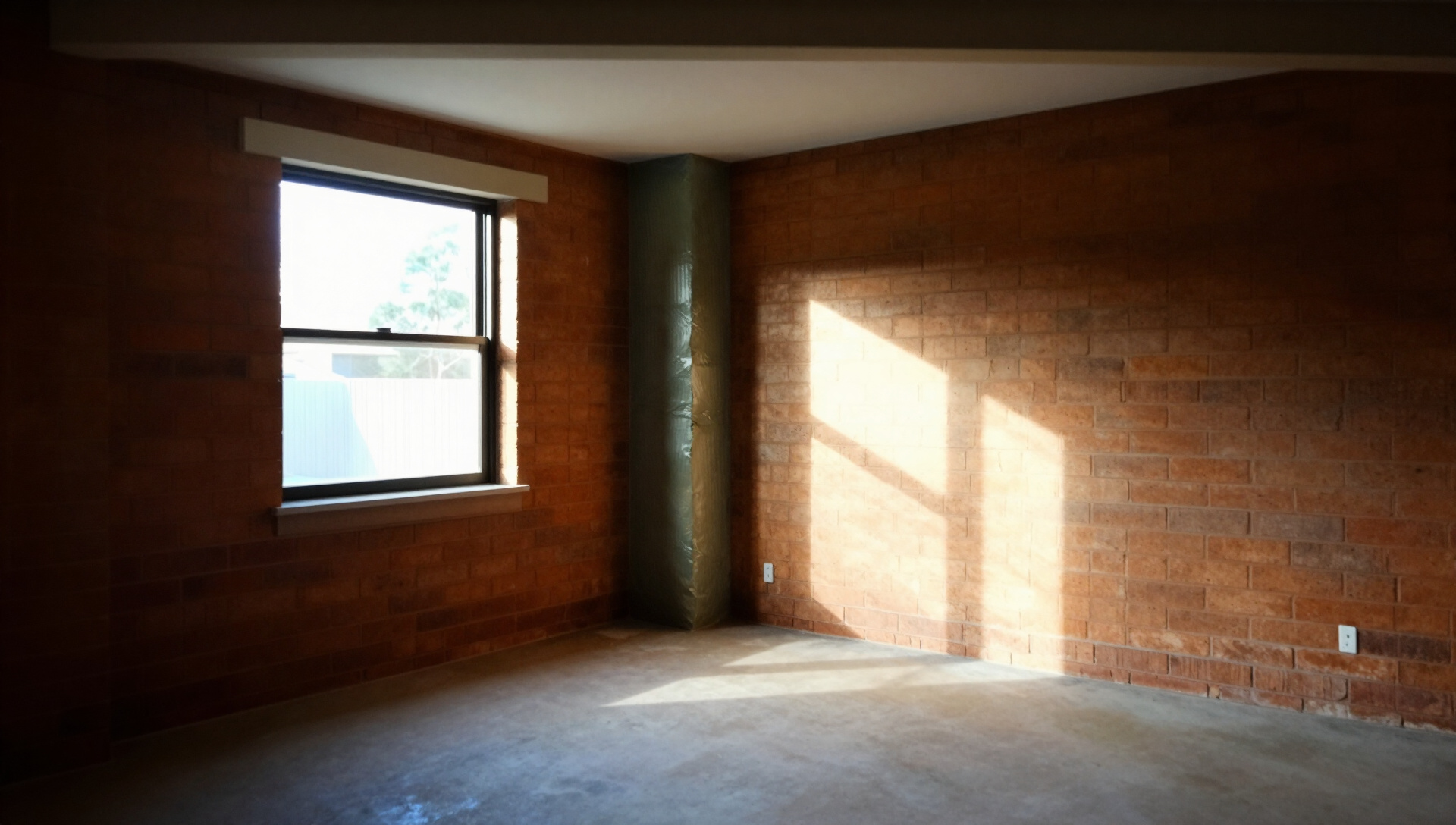
Plenty has many 1970s to 1990s brick veneer homes that were built without wall insulation. Adding cavity insulation stops heat escaping through the walls in winter and keeps the home cooler in summer by slowing heat flow from the outside.
Insulating the wall cavity reduces the rate of heat transfer, so your heater and cooler do not have to work as hard to maintain a comfortable temperature. This directly lowers energy bills.
Uninsulated brick veneer walls can feel cold to touch and create draughts near the floor. Cavity insulation warms the inner leaf, reducing cold radiant surfaces and improving comfort.
Warming the inner wall surface with insulation raises its temperature above the dew point, which minimises the risk of condensation forming inside the wall cavity.
Unlike wall batts that require opening up the wall, cavity insulation is injected from the outside. This avoids the cost and mess of removing and replacing plasterboard.
The installation holes are small and patched to match the existing mortar. Once finished, the only sign is a slight colour variation that fades with time.
A typical Plenty home can be completed in a day. The team works from the outside, so you can stay in the house while the job is done.
The process starts with a site inspection to confirm the wall type is suitable and there are no moisture issues. Then the team drills, injects and patches in a single visit.
A technician checks the wall construction, cavity width and condition. Brick veneer is usually suitable, while some double brick or cavity brick walls may not be. Moisture or existing damage must be addressed first.
Small holes are drilled in the mortar joints at regular intervals around the external walls. These are positioned to ensure even fill of the cavity without disturbing the brickwork.
Loose-fill insulation is blown into the cavity through the holes until it is fully packed. The installer ensures there are no voids and the density is consistent for maximum thermal resistance.
The holes are filled with matching mortar and colour-matched to the existing joints. The site is left clean, with only minor touch-up required by the homeowner if desired.
Plenty sits in Melbourne’s northern growth corridor with many brick veneer homes built from the 1970s onwards. These houses often have uninsulated wall cavities, leading to cold walls in winter and heat gain in summer. Cavity wall insulation is a practical upgrade that improves comfort and energy efficiency without major renovations. Nearby suburbs like Mill Park and South Morang share similar housing stock and climate exposure, making cavity insulation a common solution.
Improve thermal comfort in your Plenty brick veneer home with cavity wall insulation installed from the outside.
Homeowners in Plenty often ask how cavity insulation works, whether their home is suitable and what to expect during installation. Here are the key details.
Cavity wall insulation in Plenty targets the gap between the outer brick leaf and the internal wall frame in brick veneer construction. This space is a major path for heat loss in winter and heat gain in summer, especially in Melbourne’s climate with its cold winters and hot summers. Filling the cavity with an insulating material slows this heat transfer, making the home easier and cheaper to heat and cool.
Not all walls are suitable for cavity insulation. Brick veneer is the most common candidate in Plenty, while solid double brick or walls with existing moisture issues may not be. An on-site inspection checks the cavity width, wall condition and any signs of damp before proceeding. If old insulation is present and its condition is unknown, work stops until an asbestos assessor inspects it.
The cost of cavity wall insulation in Plenty depends on the wall area, cavity width, access and the chosen material. Most homes see a return on investment within a few years through lower energy bills. The job typically takes a day, with the team working externally so you can remain at home. After installation, the walls feel warmer in winter and the home retains heat for longer, reducing the need for constant heating.
Book a site inspection to check if your Plenty home is suitable for cavity wall insulation. We provide a clear quote and timeline on the spot.